
Need Assistance?
The Northeast Help Desk is here for you.
Help Desk Hours of Operation
Location: Frank Haney Student UnionMonday - Thursday 8 a.m. – 4 p.m.
Friday 8:00 a.m. - 12:00 noon
Phone: 662.720.7585
SMS/Text: 662.212.5948
Help Desk
Contact Information
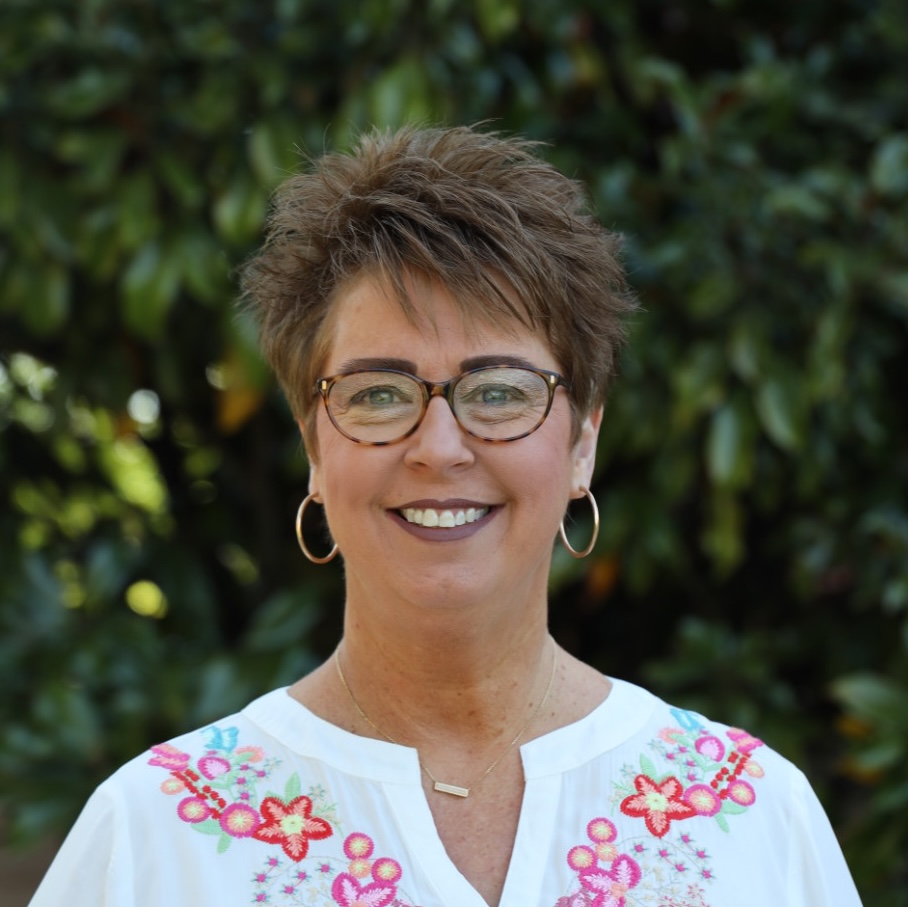
Charlotte Tennison
Administrative Assistant
Associate Vice-President of Student Services
Email: cwtennison@nemcc.edu
Phone: 662.720.7772

Carlena Benjamin
Instructional Technology
Email: cmbenjamin@nemcc.edu
Phone: 662.720.7221
Creating with Purpose
Technology can empower students to think critically, collaborate meaningfully, and express their learning in creative ways. By designing opportunities for creation rather than consumption, educators help students develop the skills and confidence needed to communicate, problem-solve, and succeed in an ever-changing world. Explore student-centered approaches below that promote agency, innovation, and active engagement through purposeful technology integration.
Drawing
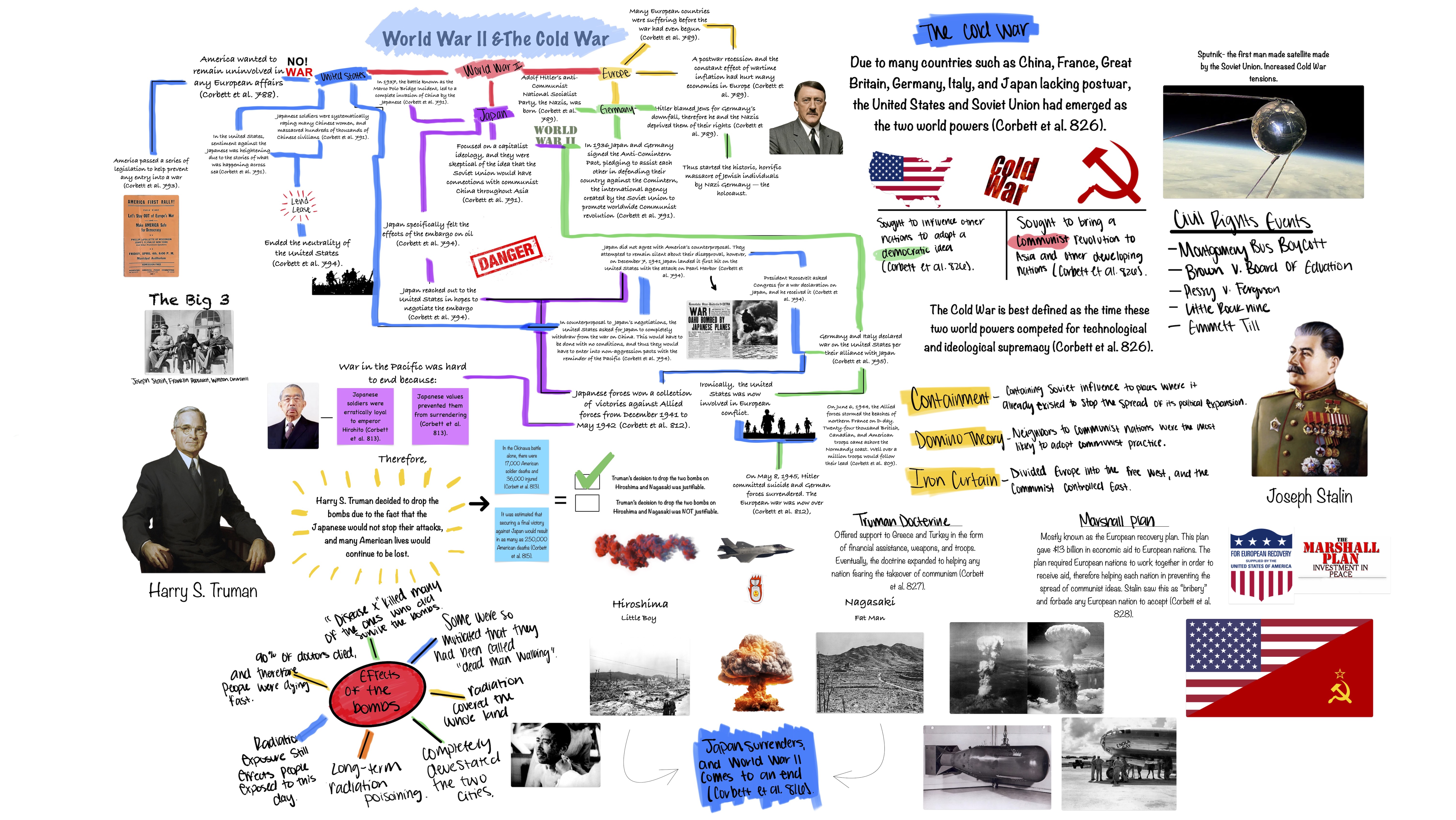
Drawing is a powerful tool for learning because it helps students visualize ideas, organize thinking, and make deeper connections with content. With iPad, students and instructors can use markup and digital drawing tools to interact directly with content, provide feedback, and capture thinking as it happens. The student example above is from an assignment in Dr. Morgan Rick's U.S. History II class. Students were tasked with creating a sketchnote analyzing World War II and the Cold War.
Video
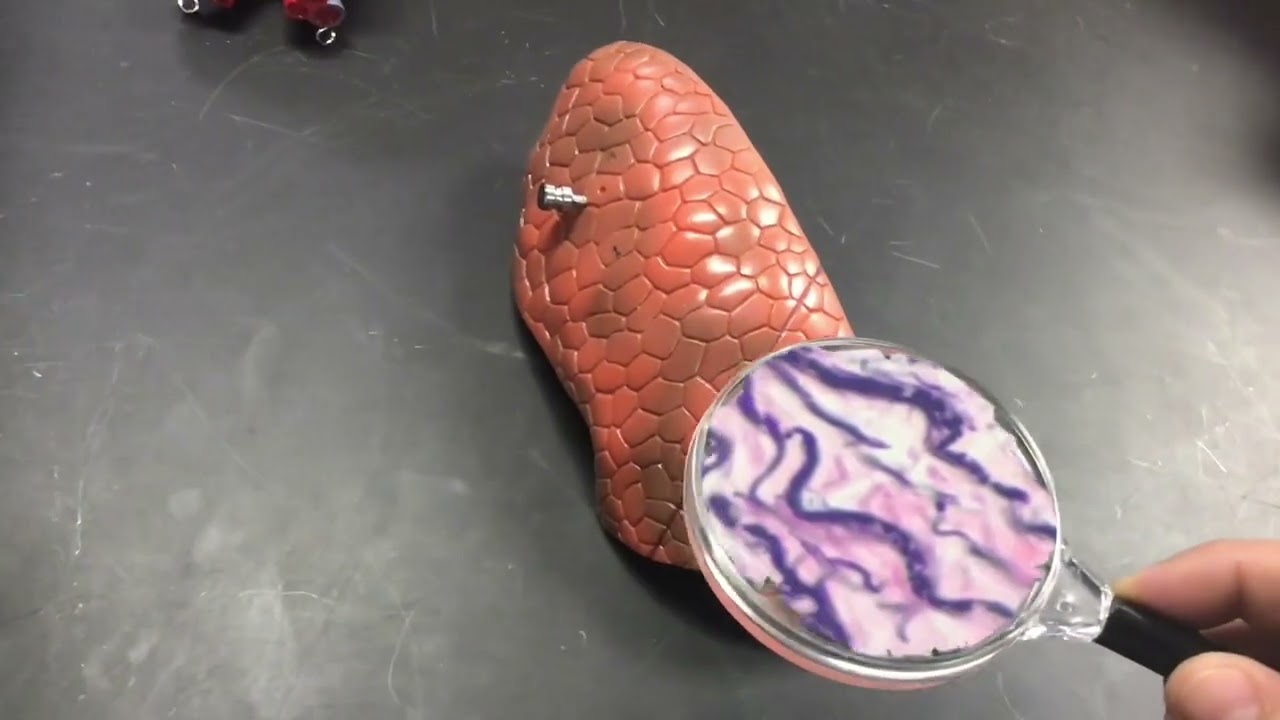
Using Apple technology, students can seamlessly create multimedia projects, making it easy to turn ideas into action. Here, students showcase the green screen option in iMovie to connect tissues and organs.
Voice
Voice is a powerful part of the learning process because it allows students to express understanding, creativity, and emotion in authentic ways. Through audio recordings, music creation, and verbal reflection, students can communicate ideas beyond traditional written responses while building confidence and creative expression. In activities such as exploring mixture chords in GarageBand, students are actively experimenting, creating, and refining their learning through sound and collaboration. Apple tools like GarageBand and Voice Memos make it easy for students to capture, edit, and share high-quality audio, transforming student voice into a meaningful and creative part of the learning experience.